Understanding Brain Tumors
Brain tumors are a critical medical condition that can impact a person's quality of life profoundly. Understanding the intricacies of brain tumors, including types, symptoms, diagnosis, and treatment options, is essential for patients and their families. Among the most common treatment options is surgery, which can provide significant benefits for both benign and malignant brain tumors. For those exploring surgical options, beyin tümörü ameliyatı offers a comprehensive overview of the surgical intervention needed for these tumors. In this article, we will delve into various aspects of brain tumors, focusing on what individuals need to know about surgery, recovery, risks, and advancements in treatment.
What Are Brain Tumors?
Brain tumors are abnormal growths of cells within the brain or central spinal canal. These tumors can be classified into two main categories: benign (non-cancerous) and malignant (cancerous). While benign tumors may not spread to nearby tissues, they can still exert pressure on the brain and cause symptoms. Malignant tumors, on the other hand, are aggressive and can invade surrounding brain tissue, making them more dangerous and complex in terms of treatment.
Types of Brain Tumors
- Meningiomas: These tumors arise from the meninges, the protective layers covering the brain and spinal cord. They are typically benign and grow slowly.
- Gliomas: Originating from glial cells, these tumors can be low-grade or high-grade, with glioblastoma multiforme being an example of a high-grade glioma that is aggressive and has a poor prognosis.
- Metastatic tumors: These are tumors that spread to the brain from other parts of the body, often indicating advanced systemic disease.
Symptoms and Diagnosis of Brain Tumors
Symptoms of brain tumors can vary widely, depending on the tumor's size, location, and type. Common symptoms include headaches, seizures, changes in vision or speech, and cognitive changes. Diagnosis typically involves neurological examinations, imaging studies such as MRI or CT scans, and sometimes biopsies to determine the tumor's type and grade.
The Importance of Timely Treatment
Timely intervention is crucial in managing brain tumors effectively. Early diagnosis and treatment can significantly improve outcomes, reduce complications, and enhance recovery potential. It is vital for patients and their families to recognize when to seek medical advice based on symptoms that may indicate a brain tumor.
When to Seek Medical Advice for Symptoms?
If individuals experience persistent headaches, unexplained changes in behavior, or neurological deficits, they should immediately consult a healthcare provider. Early detection is key to effective treatment.
Timing for Surgery: Key Considerations
The timing for surgery is influenced by various factors including the tumor's type, growth rate, and the patient's overall health. Healthcare providers typically consider surgery when the benefits outweigh the risks, emphasizing the importance of a personalized treatment plan.
Long-Term Outcomes of Delay in Treatment
Delaying treatment can lead to tumor progression, increased intracranial pressure, and worsened neurological deficits. Patients who undergo timely intervention often experience better long-term outcomes and quality of life.
Overview of the Surgical Process
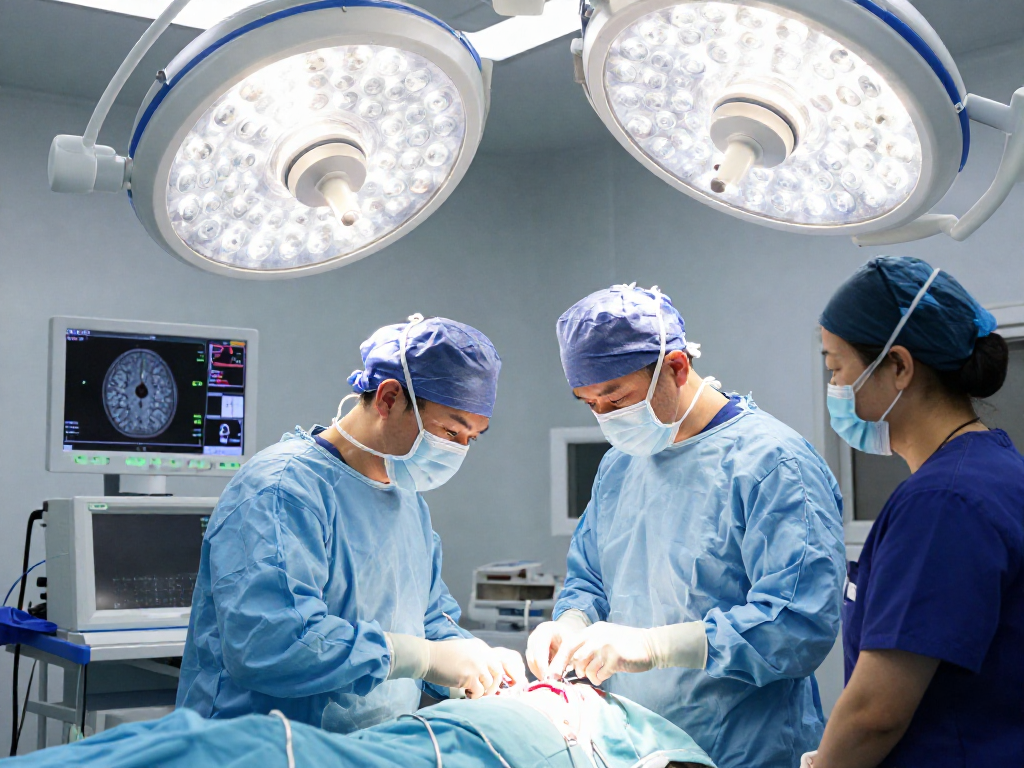
Brain tumor surgery, often referred to as craniotomy, involves a meticulous surgical approach to remove the tumor while minimizing damage to surrounding brain tissue. Understanding this process is essential for patients to prepare mentally and physically for surgery.
Preparing for Beyin Tümörü Ameliyatı
Before surgery, comprehensive planning is crucial. This preparation includes detailed imaging studies to ascertain tumor size and location, as well as assessment of surrounding critical structures in the brain.
The Surgery: What to Expect
During the surgery, the patient is usually placed under general anesthesia. A portion of the skull is removed to access the brain. Advanced techniques such as intraoperative imaging and neuronavigation are often used to enhance precision during tumor removal. The objective is to achieve maximum resection while protecting vital brain functions.
Post-Operative Care and Recovery
Following surgery, patients are monitored in a recovery unit for complications. The length of hospital stay may vary depending on the complexity of the procedure and the patient's recovery rate. Rehabilitation services are often initiated to help patients regain function as needed.
Risks and Considerations
As with any surgical procedure, brain tumor surgery carries risks. Understanding these risks is essential for informed consent and preparing for potential outcomes.
Understanding Surgery Risks
Potential risks include infection, bleeding, neurological deficits, and complications related to anesthesia. Patients should discuss these risks with their surgical team to make informed decisions.
How to Minimize Risks During Surgery
Surgeons take several precautions to reduce risks, including careful patient selection, use of advanced surgical techniques, and thorough pre-operative assessments.
Factors Influencing Surgical Success Rate
Several factors contribute to the success of brain tumor surgery, including tumor type and location, patient health, and the surgeon's experience and expertise.
Future Trends in Neurosurgery
The field of neurosurgery is rapidly evolving, with ongoing research and technological advancements paving the way for more precise and effective treatment options for brain tumors.
Advancements in Surgical Technology
Emerging technologies such as robotic-assisted surgery, real-time imaging, and improved neuronavigation systems are enhancing surgical precision and outcomes for patients undergoing brain tumor operations.
Personalized Treatment Approaches
Future directions in brain tumor treatment emphasize personalized medicine. Genetic testing of tumors can guide therapy tailored to the individual patient's tumor profile, potentially improving treatment efficacy.
Predictions for Brain Tumor Surgery in 2026
By 2026, we anticipate that advancements in imaging technology, artificial intelligence, and minimally invasive techniques will further enhance the safety and effectiveness of brain tumor surgeries, offering hope to patients worldwide.
What are the long-term effects of beyin tümürü ameliyatı?
Long-term effects can vary based on numerous factors such as tumor type, location, and completeness of resection. Patients may experience cognitive changes, neurological deficits, or a return to normal function, depending on these variables.
How does recovery differ for children and adults?
Recovery can differ significantly between children and adults, with children generally having a greater ability to heal and adapt. Rehabilitation strategies may also vary to cater to the developmental needs of pediatric patients.
What are the signs of complications after surgery?
Patients and caregivers should be vigilant for signs of complications, including fever, increased headaches, neurological changes, or any unusual symptoms following surgery.
How frequently should follow-up visits occur post-surgery?
Follow-up visits will depend on the type of tumor and specific treatment regimen. Typically, patients may expect to return for evaluations every few months, transitioning to less frequent visits as their condition stabilizes.
What new technologies are emerging in brain tumor treatment?
Innovations such as targeted therapies, immunotherapies, and advanced radiographic techniques are revolutionizing brain tumor treatment and enhancing recovery prospects for patients.. Additionally, beyin tümörü ameliyatı provides further details.